Dental Implants Bakersfield CA for Complete Smile Rehabilitation
@beaurvls491
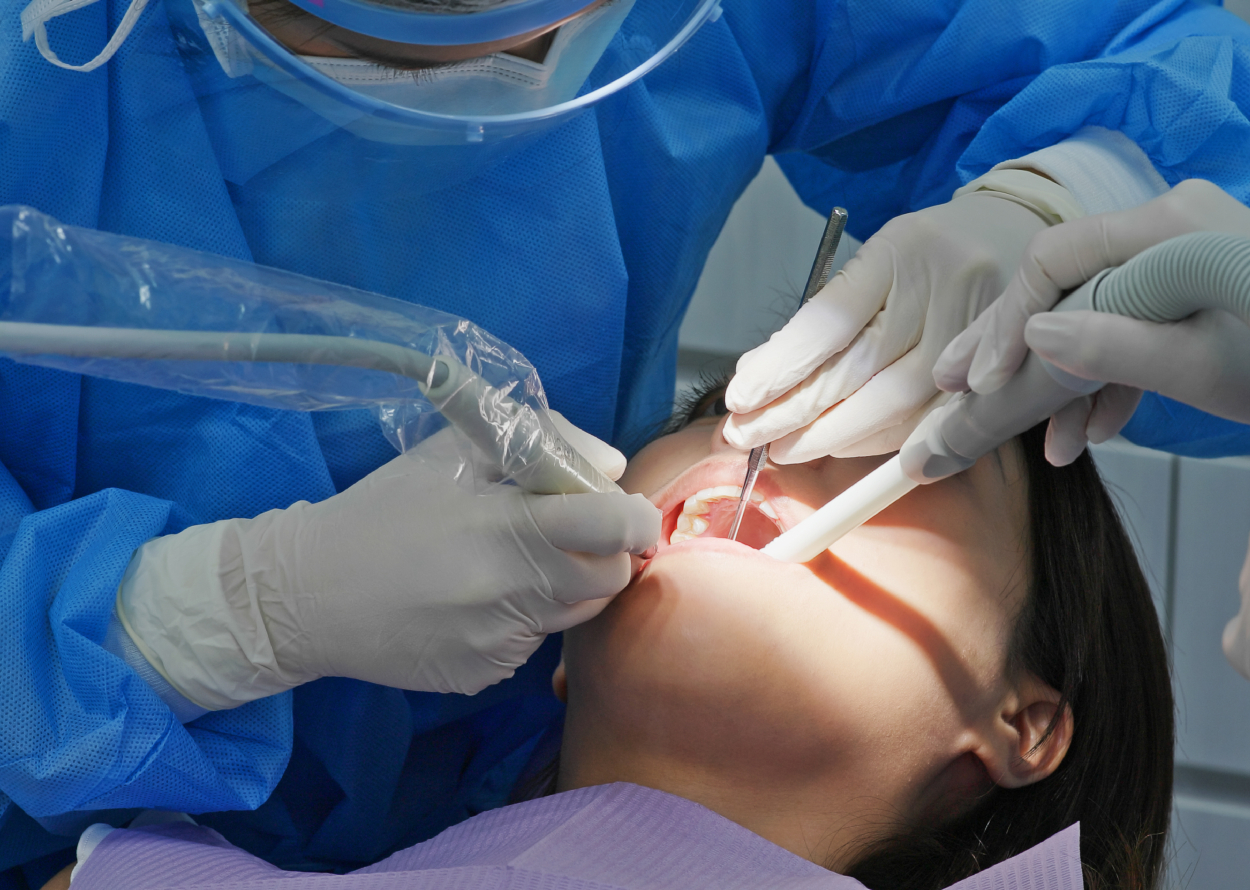


A complete smile rehabilitation is rarely about one tooth. More often, it is about restoring how a person eats, speaks, smiles, and carries themselves in daily life. When people start looking into Dental Implants Bakersfield CA, they are usually not shopping for a simple commodity. They are trying to solve a layered problem that may involve missing teeth, loose dentures, failing dental work, bone loss, chronic discomfort, or years of avoiding photos and certain foods.
That distinction matters. Dental implants are not only replacements for missing teeth. In the right case, they are anchors for rebuilding an entire bite. They can support a single crown, bridge several teeth, secure a full arch, or stabilize a denture that never fit well to begin with. For patients who need complete smile rehabilitation, implants often become the foundation that makes long-term function possible.
The phrase "complete smile rehabilitation" can sound cosmetic, but in practice it is as much about health and mechanics as appearance. If your back teeth are gone, the front teeth usually take more force than they were designed to handle. If you have worn-down enamel from years of grinding around missing teeth, your bite may collapse. If dentures move when you chew, you may start avoiding tougher foods and your nutrition can suffer. Those are practical, not vanity-based, concerns.
What complete smile rehabilitation actually means
Smile rehabilitation is a coordinated process of rebuilding the mouth so the teeth, gums, jaw joints, and bite work together again. Sometimes the changes are modest. A patient may need two implants, a bridge, and a few crowns adjusted. Other times the work is extensive, especially when there has been advanced periodontal disease, trauma, long-term tooth loss, or repeated failure of older restorations.
A thoughtful rehabilitation starts by looking beyond the obvious gap in the smile. The dentist studies where the bite sits today, how much healthy tooth structure remains, whether the bone can support implants, how the gums frame the teeth, and whether the patient clenches or grinds. If the patient has been wearing a partial denture for years, the supporting teeth may be overloaded. If several teeth are broken near the gumline, saving them may not be realistic. The best treatment plan is not the one that preserves the most teeth at any cost. It is the one that gives the patient a stable, maintainable result five, ten, or fifteen years from now.
That is one reason dental implants have changed the conversation so much. Before implants became common, many full-mouth cases forced uncomfortable compromises. Bridges depended heavily on neighboring teeth. Dentures restored appearance but often sacrificed confidence and chewing efficiency. Implants create support directly from the jawbone, which changes what is possible.
Why implants are often central to a full-mouth plan
A natural tooth is supported by its own root. When that root is lost, the jawbone in that area no longer receives the same stimulation from chewing forces. Over time, the bone tends to shrink. A denture can replace the visible part of the tooth, but it does not stop that underlying process in the same way. An implant, once integrated with bone, can help preserve structure and provide a stable point of support.
For complete smile rehabilitation, that support matters in several ways. It can prevent remaining natural teeth from carrying too much load. It can improve the fit and retention of a removable denture. It can allow a fixed bridge where a removable appliance used to be the only option. It can also restore a bite position that has changed over years of missing teeth and compensatory chewing.
Patients usually feel the difference first in function. They stop cutting food into tiny pieces. They chew on both sides again. Speech can improve, especially when loose upper dentures previously shifted against the palate. Confidence follows. People tend to describe it in ordinary terms: they stop thinking about their teeth all day.
Who tends to be a good candidate
There is no single profile. Some implant patients are missing one tooth from an old sports injury. Others have worn dentures for twenty years. For complete rehabilitation, the most common candidates usually fall into a few overlapping categories:
- People missing many or most teeth
- Patients with failing crowns, bridges, or dentures
- Those with severe wear, bite collapse, or broken teeth
- Individuals who want more stability than removable appliances can offer
- Patients healthy enough for oral surgery and committed to maintenance
Even within these groups, candidacy depends on details. Bone volume, gum health, medical history, tobacco use, diabetes control, and oral hygiene all matter. Age alone usually does not rule implants in or out. An active seventy-five-year-old in stable health may be an excellent candidate. A younger patient with uncontrolled gum disease or heavy smoking habits may need preparatory treatment before implants become predictable.
This is where clinical judgment becomes more important than marketing language. Not every missing tooth needs an implant, and not every mouth should be reconstructed in the same way. Some patients do better with a mix of implants and conventional restorations. Others truly benefit from a full-arch implant solution. The right plan comes from diagnosis, not from a menu.
The planning stage is where good outcomes are built
Most people focus on the surgery, but the hardest part of implant rehabilitation is often the planning. A thorough workup typically includes a clinical exam, dental images, bite analysis, and a conversation about expectations. If the patient has had years of dental problems, their idea of success may be simple: they want to chew without pain and smile without embarrassment. That sounds straightforward, but getting there may require sequencing treatment over several months.
In many cases, the dentist needs to answer a few critical questions before the first implant is ever placed. Are any existing teeth worth saving? Is there enough bone in the right positions? Would grafting improve the final outcome? Is the current bite too unstable to build on? Are there signs of clenching that could threaten restorations later? If the patient shows a lot of gums when smiling, the cosmetic demands of implant positioning become even higher.
A well-planned case often uses temporary restorations as part of the process. These are not just placeholders. They can help test bite position, speech, esthetics, and comfort before the final prosthetics are made. That step can prevent expensive mistakes. In full-mouth rehabilitation, millimeters matter.
Single implants, implant bridges, and full-arch options
Not every complete rehabilitation means replacing every tooth with an implant. Sometimes a strategic number of implants can restore an entire mouth efficiently.
A patient missing several back teeth may do very well with two or three implants that support a bridge, rather than placing an implant for every missing tooth. Someone with an upper denture that floats during meals may only need a handful of implants to stabilize it. A patient with widespread failure and little salvageable tooth structure may be better served by removing the remaining teeth and planning an implant-supported full arch.
These options differ in cost, maintenance, feel, and complexity. A fixed full-arch bridge usually offers the strongest sense of "having teeth again," but it also demands precise planning, careful hygiene, and enough bone support. An implant overdenture can be a very good middle ground. It remains removable for cleaning, but it snaps into place with much better retention than a traditional denture. For many patients, that improvement alone is life-changing.
The most expensive plan is not automatically the best one. I have seen patients thrilled with two implants under a lower denture because it gave them reliable stability at a manageable cost. I have also seen patients insist on fixed full arches when their hygiene habits made that a risky choice. A durable result depends on matching the treatment to the person, not just to the X-ray.
Bone loss, grafting, and why timing matters
One of the most common surprises for patients is learning that implant placement is not always immediate. If a tooth has been missing for a long time, the bone may have resorbed to the point that an implant cannot be placed in the ideal position without additional support. In other cases, a failing tooth may come out and the site may need grafting to preserve bone before the next phase begins.
Bone grafting sounds intimidating, but it is a routine part of implant dentistry. The goal is simple: create enough healthy structure for the implant to integrate and for the final tooth to emerge naturally through the gums. In the upper back jaw, sinus anatomy can also affect planning. In the front of the mouth, grafting may be used not only for strength but also for appearance, since thin bone and receding gums can lead to long, artificial-looking teeth.
Timing influences how much rebuilding is needed. A fresh extraction site often preserves options better than a space that has sat empty for years. That does not mean every extracted tooth should be replaced immediately, but it does mean delays can complicate treatment. Patients exploring Dental Implants Bakersfield CA after long-term tooth loss should expect an honest assessment of whether grafting is needed and how that changes the timeline.
What treatment often looks like in real life
The broad sequence is usually less dramatic than patients expect, though it does require patience. A complex rehabilitation may unfold over months because biology moves at its own pace. Bone has to heal. Gums have to mature. Temporary restorations may need adjustment before the final versions are made.
A typical pathway may include:
- Diagnostic records and treatment planning
- Removal of unsalvageable teeth and any necessary grafting
- Implant placement with a healing period
- Temporary teeth to refine bite and appearance
- Final crowns, bridges, or implant-supported dentures
Some cases move faster, especially when immediate provisional teeth are possible. Others move slower because infection, bone deficiencies, or medical considerations require a staged approach. Speed is appealing, but predictability is more valuable. If a clinician recommends waiting for better tissue healing before placing a final restoration, that restraint often reflects experience rather than hesitation.
How it feels during and after implant treatment
Fear of pain keeps some people stuck with failing teeth much longer than they should be. In reality, implant surgery is usually more manageable than patients imagine. Local anesthesia is standard, and many practices offer additional sedation depending on the complexity of treatment and the patient's comfort level. People often compare recovery to an extraction or a bit easier than they expected, particularly when the procedure is carefully planned.
Discomfort varies. A single implant may cause only mild soreness for a few days. Full-arch surgery with extractions and grafting is a bigger event and usually requires more recovery time. Swelling, tenderness, and temporary diet changes are normal. Patients generally do best when they prepare ahead, stock soft foods, follow instructions closely, and avoid testing the area too soon.
One practical point rarely emphasized enough is that final comfort is influenced by the bite as much as by the surgery. An implant crown that looks beautiful but takes too much force can feel wrong, loosen a screw, or chip porcelain. This is another reason complete rehabilitation should be approached as a functional rebuild, not just a cosmetic one.
Esthetics matter, but natural function matters more
When patients picture implants, they often focus on the visible result. That is understandable. They want teeth that look believable, proportional, and healthy. Yet some of the most successful cases are not the whitest or most dramatic. They are the ones that fit the face, support the lips, and allow the patient to speak and chew comfortably without thinking about them.
A realistic treatment plan balances esthetics with biomechanics. Extremely long teeth can look unnatural if too much bone and gum have been lost. Very broad cosmetic changes may not suit a person's age, facial shape, or smile line. Good prosthetic design also takes cleaning into account. A restoration that cannot be maintained at home may fail regardless of how polished it looks on delivery day.
This is especially important in full-arch cases. A fixed bridge can be beautiful, but if its contours trap plaque and the patient cannot clean underneath effectively, inflammation follows. The best work accounts for ordinary life. It respects how real people brush when they are tired, how they chew when nobody is watching, and how much maintenance they can realistically sustain.
Cost, value, and the long view
Cost comes up early, and it should. Complete smile rehabilitation can represent a major financial decision. The final amount varies widely https://cristianprex675.yousher.com/finding-the-best-dental-implants-bakersfield-ca-provider based on how many implants are needed, whether extractions or grafting are involved, what type of restoration is chosen, and how complex the bite reconstruction is. Because of that range, any blanket price claim is usually more marketing than guidance.
A better question is what the patient is buying. Implant treatment is not just hardware. It includes diagnosis, surgical planning, restorative design, lab work, temporaries, follow-up care, and the experience needed to coordinate all of it. In a straightforward case, lower fees may reflect efficiency. In a full-mouth reconstruction, very low pricing should prompt careful questions about what is included and what is not.
Value also shows up over time. A removable denture may cost less up front, but if it slips, irritates tissues, limits diet, and needs repeated adjustment, the true cost can feel higher in everyday life. On the other hand, some patients are better served by a high-quality denture or overdenture than by stretching financially into a treatment plan they cannot maintain. Good dentistry respects both biology and budget.
Questions worth asking at a consultation
Patients do not need to walk into a consultation knowing technical terms. They do benefit from asking practical questions that reveal how the case is being approached. A strong provider should be able to explain options clearly, including where trade-offs exist.
Ask how many teeth can realistically be saved and whether saving them improves or complicates the long-term plan. Ask whether bone grafting is likely and why. Ask what kind of temporary teeth you would have during treatment. Ask how the final restorations will be cleaned and what kind of maintenance they require. Ask what happens if a complication arises halfway through treatment.
Those conversations tend to be more useful than chasing brand names or promotional phrases. For complex Dental Implants Bakersfield CA cases, the quality of communication is often a reliable signal. A team that listens carefully, documents thoroughly, and speaks plainly is more likely to manage the details well.
Maintenance is where long-term success is protected
Implants do not get cavities, but they are not maintenance-free. The surrounding tissues can still become inflamed, and bone can still be lost if plaque builds up or excessive force goes unchecked. This is especially true in patients with a history of gum disease or heavy grinding.
Home care has to match the design of the restoration. A single implant crown may need careful flossing or an interdental brush. A full-arch prosthesis often requires special tools to clean underneath the bridge. Professional maintenance matters too. Periodic exams and hygiene visits help catch loose components, early inflammation, or bite changes before they become expensive problems.
One of the most frustrating scenarios is seeing a technically excellent implant case deteriorate because the patient was never coached properly on maintenance. Rehabilitation should include a realistic hygiene plan, not just a handoff of final teeth and a quick congratulations.
Why local experience and coordination matter
Complex implant treatment rarely succeeds on surgery alone. It depends on coordination between diagnosis, surgical placement, restorative design, and follow-up care. For patients seeking Dental Implants Bakersfield CA, it helps to choose a practice or care team that handles these moving parts in a structured way, whether under one roof or through close collaboration.
Local care matters for practical reasons too. Full-mouth rehabilitation often requires several visits, adjustments to temporary restorations, and ongoing maintenance after the major phases are complete. If something feels off after delivery, the ability to return for a bite adjustment or tissue check is valuable. Implant dentistry is not a one-day transaction. It is a treatment relationship.
Patients often know they are ready when the inconvenience of doing nothing finally outweighs the fear of treatment. They are tired of chewing on one side, tired of dentures shifting, tired of patching the same failing teeth. A well-executed implant rehabilitation does not simply replace what was lost. It restores predictability. Meals become easier. Speech feels normal. Smiling stops being a calculated act.
That is the real promise behind complete smile rehabilitation. When planned carefully and maintained well, dental implants can give patients back a level of comfort and confidence that piecemeal repairs rarely achieve. For the right candidate, that is not a cosmetic luxury. It is a meaningful return to normal life.
Smyle Dental Bakersfield
2016 E St, Bakersfield, CA 93301, United States
+16614939040
FAQ About Dental Implants Bakersfield CA
What is the downside of a dental implant?
The main downsides of dental implants involve high financial costs, surgical risks, a lengthy healing process, and the potential for long-term complications.
How much does a full set of implants usually cost?
A full set of dental implants (covering both the upper and lower arches) typically ranges from $6,000 to $90,000+, depending heavily on the type of treatment, materials used, and whether the teeth are fixed or removable.
Can I have all my teeth pulled and get implants?
Yes, you can have all your teeth pulled and replaced with dental implants. Instead of placing a separate implant for every single tooth (which is costly and time-consuming), dentists typically use full-arch systems.